Cristina Campos, from the UNESCO Chair in Life Cycle and Climate Change at ESCI-UPF, took part in the Blended Intensive Programme (BIP) “Universities and Community Engagement”, organised by RTU Liepaja Academy in Latvia from 10 to 14 August.
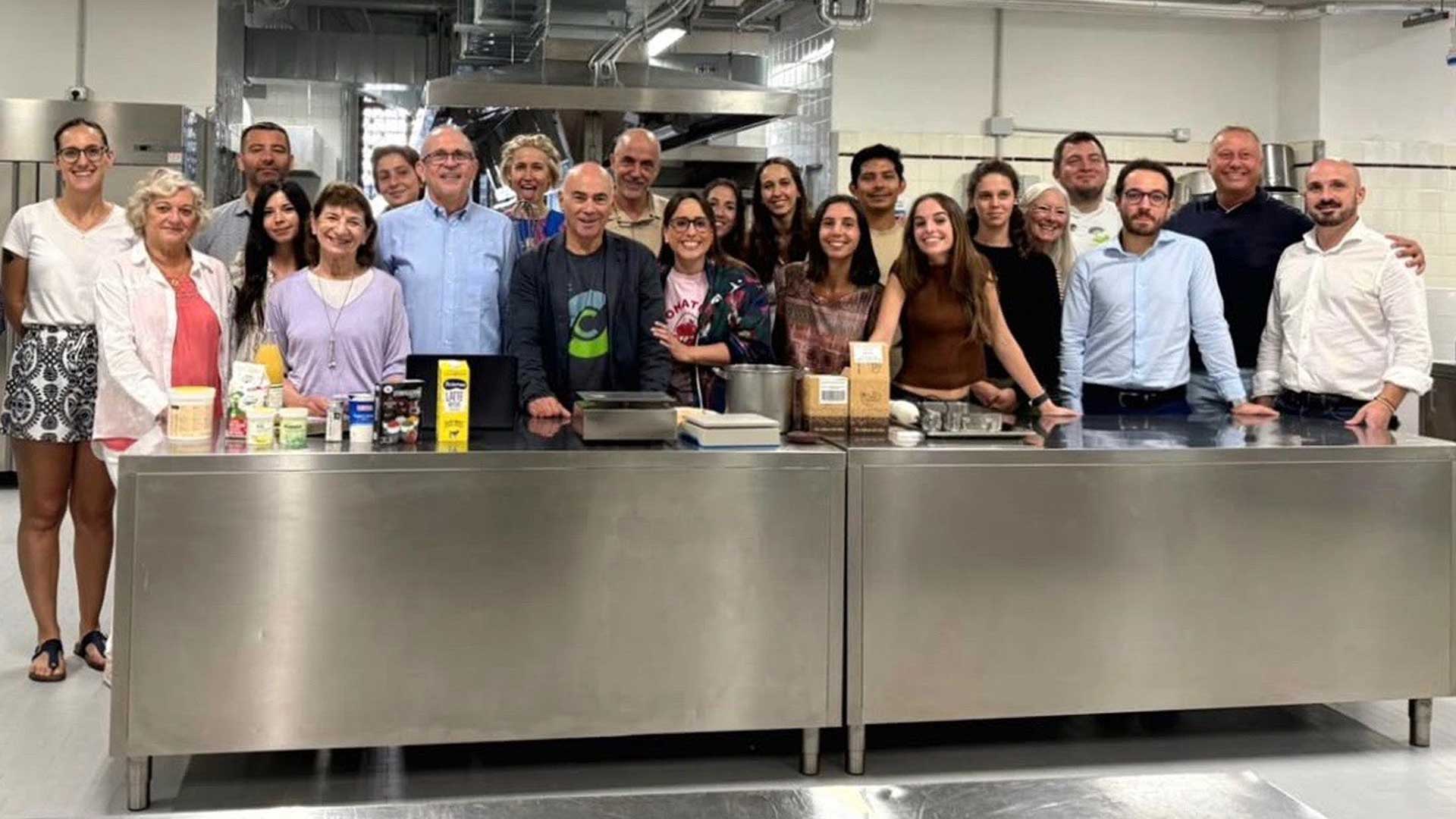
Cristina Campos, researcher at the UNESCO Chair in Life Cycle and Climate Change ESCI-UPF, took part this summer in the Erasmus+ Blended Intensive Programme (BIP) “Universities and Community Engagement”, an initiative that brought together representatives from 18 higher education institutions across 11 European countries in the Latvian city of Liepaja.
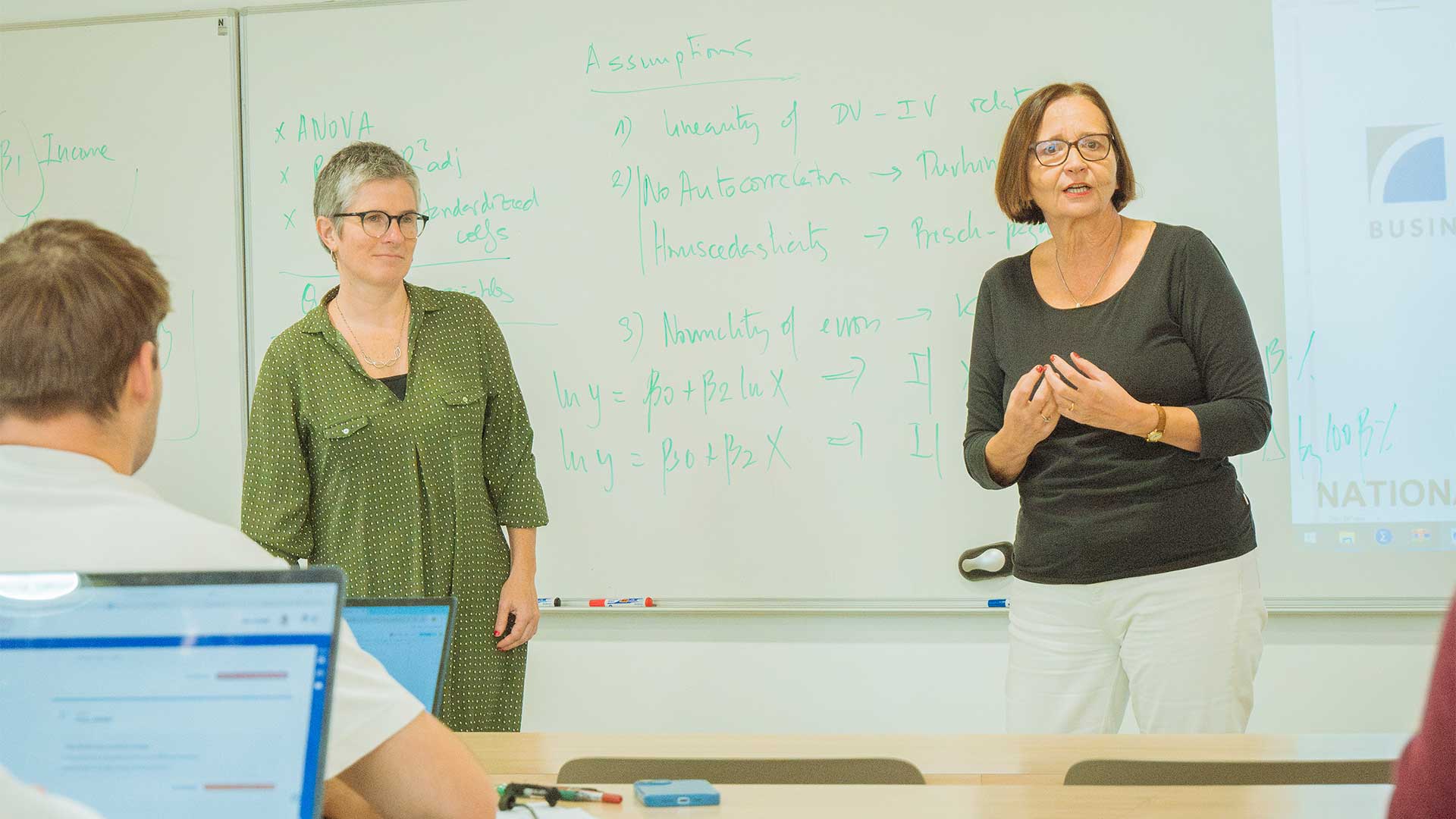
Over five days, participants reflected on the role universities can play beyond their traditional teaching and research activities, and on how they can put their knowledge, resources and research capabilities at the service of societal challenges. The programme focused particularly on collaboration with public authorities, NGOs, schools, businesses and citizens to develop initiatives that can have an impact on local and regional communities.
The different sessions provided an opportunity to learn about community engagement experiences led by European universities and to address issues such as the contribution of higher education institutions to regional development, support for local entrepreneurship, cooperation with schools, the integration of international students and methodologies for measuring the impact of university–society collaboration.
From reflection to concrete proposals
One of the programme’s highlights was the Idea Labs, practical workshops in which international teams identified community needs and worked on proposals that could subsequently be adapted and implemented at their respective universities.
The initiatives discussed included ways to facilitate local NGOs’ access to university expertise, strengthen alumni networks, support students at risk of dropping out, and foster greater integration between local and international students. The teams also assessed the feasibility of their proposals and identified the first steps needed to implement them.
For Cristina Campos, the experience reinforced the idea that the relationship between universities and society should be based on shared responsibility. As she explained after the programme, universities can make their knowledge more accessible, students can act as agents of change, and public authorities, businesses, social organisations and citizens can actively participate in identifying needs and co-creating solutions.
This perspective is closely linked to her professional work in European projects and international cooperation. Campos highlights that the value of these projects goes beyond preparing competitive proposals or building consortia: it also lies in their ability to bring together organisations, people and different perspectives to generate results with a tangible and lasting impact on communities.
New connections for future European collaborations
The international dimension of the BIP also provided a space to build new networks among professionals from different European universities, to share experiences, and to identify potential areas for collaboration.
Campos particularly valued the opportunity to establish new contacts and explore synergies that could lead to future European initiatives and projects. The experience, she said, allowed her to return from Liepāja with “new perspectives, new connections and new ideas”.
Organised by RTU Liepaja Academy with the support of the European Union’s Erasmus+ programme, the BIP strengthens cooperation between European higher education institutions and highlights the role universities can play as meeting points for students, researchers, public authorities, businesses and society to collaboratively address local and global challenges.


Leave a message