El análisis de ciclo de vida aplicado a la construcción muestra que el uso de cenizas volantes—residuo producido por la combustión de carbón en centrales térmicas— aumenta la durabilidad del suelo, mejorando las condiciones de rendimiento en carreteras de tráfico de bajo volumen.
Researchers at the Universidad de Medellín, the Universidad Nacional de Colombia and the UNESCO Chair in Life Cycle and Climate Change ESCI-UPF have technically and environmentally assessed the use of industrial solid waste for the stabilization of secondary and tertiary roads. “The stabilization process is based on the mixture of waste with certain reagents, that is, substances that interact with others in a chemical reaction to create other compounds with different properties, characteristics, and conformation, known as products,” explains Pere Fullana i Palmer, director at the Chair and co-author of the study.
Published in Science of The Total Environment, the study shows that coal ash with caustic soda in a solid state, mixed with the soil, acts as a stabilizer increasing increase the resistance of the ground over 500%. “This mixture results in a binder material with similar characteristics to Portland cement,” points out Jaume Albertí, leader of the construction research line at the Chair and co-author of the study.
This work also includes an experimental design applied to the stabilizing product, showing the incidence of factors such as packing material or storage humidity on the load carrying capacity response. Through a life cycle assessment, the study shows that “from raw material extraction to factory gate, the highest environmental impacts are caused by caustic soda production,” according to the authors. “This result indicates that the solution may be feasible on roads near industries that generate this waste,” they conclude.
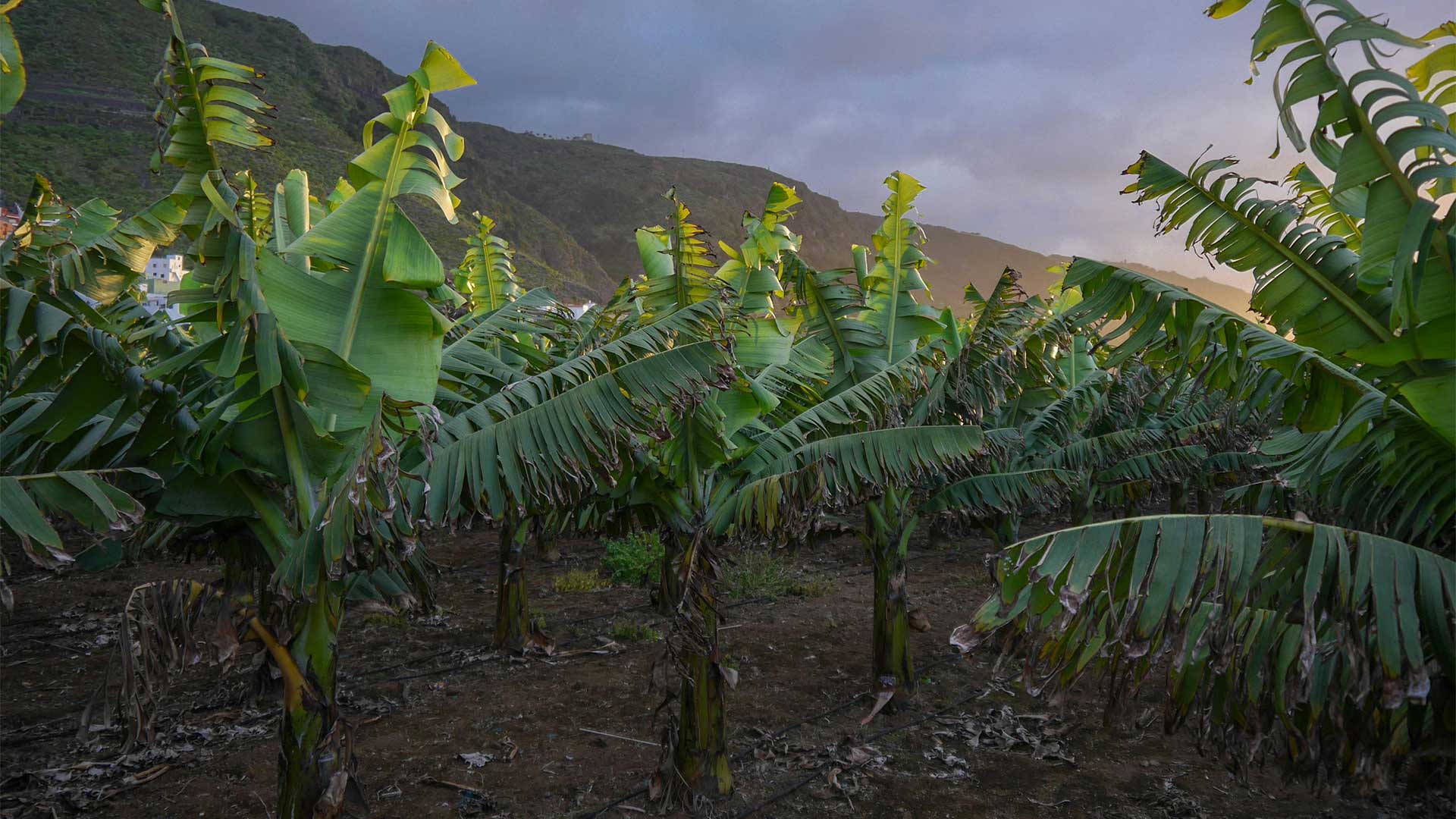
After nearly three years of collaboration, the project has assessed the potential of combining recycled plastics and banana plant waste to develop more sustainable materials, incorporating environmental and social criteria through life cycle assessment.
ESCI-UPF and Politecnico di Milano publish a joint research paper to help organisations and consumers, respectively, with policy and decision-making through the assessment of the social risks associated with different high-protein food alternatives.
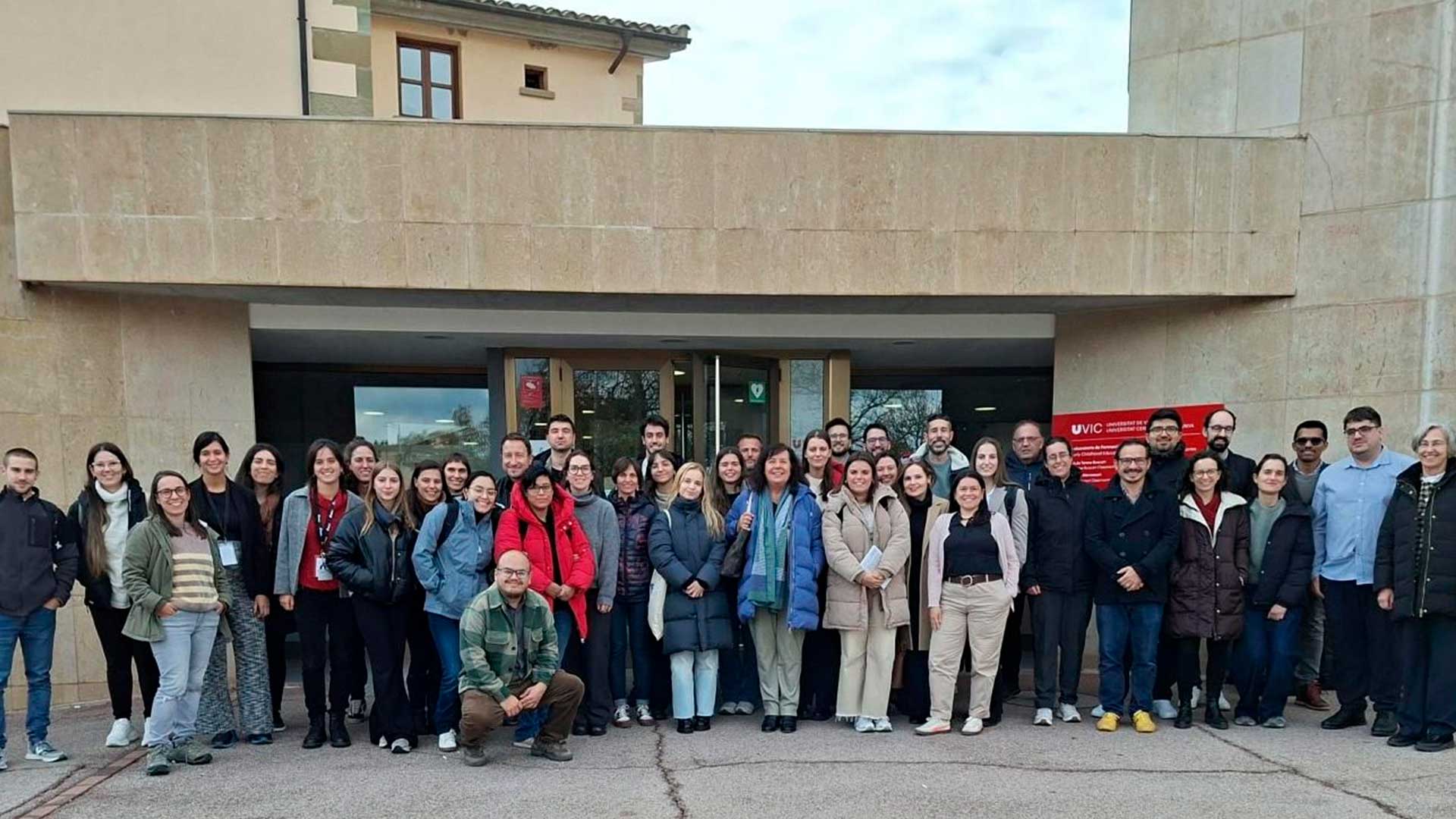
The UNESCO Chair in Life Cycle and Climate Change at ESCI-UPF participated in the event “Life Cycle Management in the Transition Toward a Sustainable Agri-Food Sector”, promoted by the Red Española de ACV was held in Vic (Barcelona) on 19 and 20 November 2025.




Leave a message