La identidad, que transmite la idea de circularidad, se ha creado en colaboración con el estudio Life In The Woods (LITW)
18/06/2019
1 min reading time
La idea de retroalimentación y ciclos complejos e interrelacionados en sistemas del mundo real está detrás de la nueva imagen y sitio web de LCA4Climate que se lanzará este otoño, coincidiendo con el inicio del año académico en ESCI-UPF.
Before getting to the substance, it is worth recalling that LCA4Climate stands for Life Cycle Assessment for Climate, which, in turn, defines a commitment taken on by a group of scientists who focus on measuring sustainability to objectively inform our choices and promote real eco-innovation: the UNESCO Chair in Life Cycle and Climate Change ESCI-UPF, a center of excellence in Life Cycle Assessment (LCA) and its applications to climate change mitigation.
After almost 10 years of research, this dynamic group, early career scientists and senior researchers alike, keeps its feet on the ground and stick to the areas where it is in a position to make a difference: promoting scientific research, cooperation, education and communication on sustainable development of products and services, both at the national and international levels, developing research projects for the benefit of the environment and society. That is where it gets together with internationally renowned scientists in the search for sustainability, by taking the LCA as its flagship.
At this point, you may be wondering what is life cycle assessment. No more waiting around: it is a structured, comprehensive and internationally standardised method that quantifies all environmental impacts that are associated with any product or service through all stages of its life cycle. Indeed, it is precisely the idea of a “cycle”, what is behind the new visual identity of LCA4Climate to be launched this fall, coinciding with the start of the academic year.
Circularity
The notion of circularity, which includes the idea of feedback and complex, interrelated cycles in real-world systems, is widely shared by the concepts of life cycle and circular economy. On the basis of this notion, LCA4Climate, in collaboration with LITW designers, has designed a new image that extends and adapts to each channel conveying the idea of a “cycle” and, at the same time, grouping its contents.
Changing trends in communications in recent times provide a unique opportunity for new strategies to connect with audiences using engaging and effective formats with a growing focus on social media. To bring its work closer to society, LCA4Climate’s identity modular format will be adapted to different formats and sizes without losing its key idea of a “cycle”. Thus, it approaches the identity as a graphic system rather than as a simple logo.
If you want to see it, be aware: the official release is this fall. We wish you will like it!
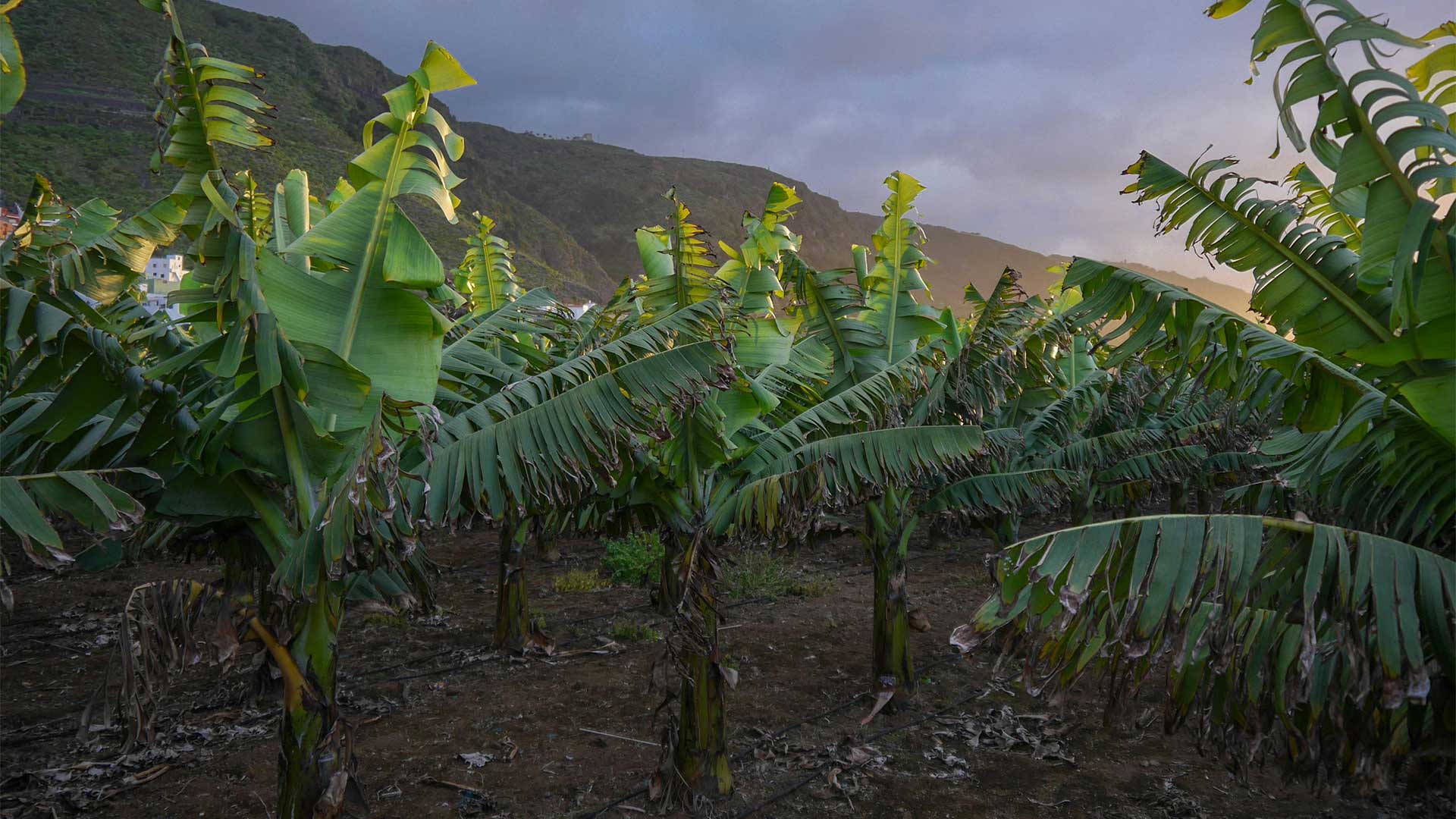
After nearly three years of collaboration, the project has assessed the potential of combining recycled plastics and banana plant waste to develop more sustainable materials, incorporating environmental and social criteria through life cycle assessment.
From April 21 to 23, Sandra Ceballos Santos, researcher at the UNESCO Chair in Life Cycle and Climate Change at ESCI-UPF, participated in the 1st Iberian Congress on Small-Scale Fisheries (Congreso Ibérico de Pesquerías Artesanales – CIPA 2026), held at the Paraninfo of the Palacio de la Magdalena in Santander, Cantabria.
ESCI-UPF and Politecnico di Milano publish a joint research paper to help organisations and consumers, respectively, with policy and decision-making through the assessment of the social risks associated with different high-protein food alternatives.



Leave a message