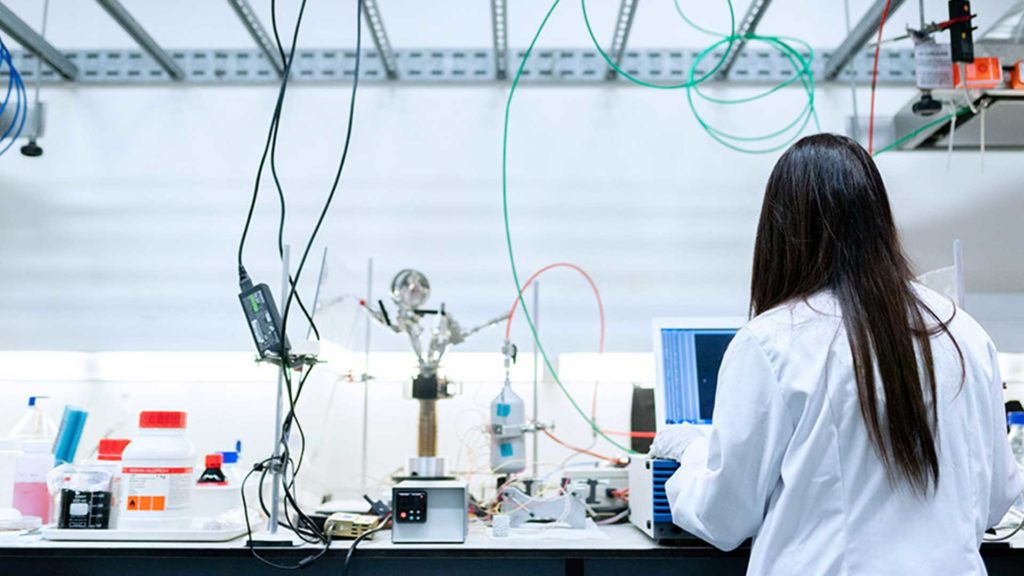
Calcium Zincate (CAZN) is a material used in rechargeable zinc-based batteries and other products, such as catalysts and antifungal agents. Researchers have developed a new method for synthesizing CAZN, called the hydro-micro-mechanical process (HMMS), which has a shorter residence time and more reaction surface area than traditional methods, and results in faster battery activation.
According to a life cycle assessment, HMMS produces CAZN with a significantly lower environmental impact compared to the current best option, hydro-thermal synthesis (HTS), with a 97% reduction in global warming. The sensitivity analysis included scenarios related to the energy demand of the processes and projections for the European electricity mix in 2030 and 2050.
Some of the paper’s main conclusions are that the raw materials shape the environmental results of CAZN production, particle size and reaction time are key factors affecting the results of life cycle assessment, and, lately, the reaction time should be considered when calculating chemical LCAs.
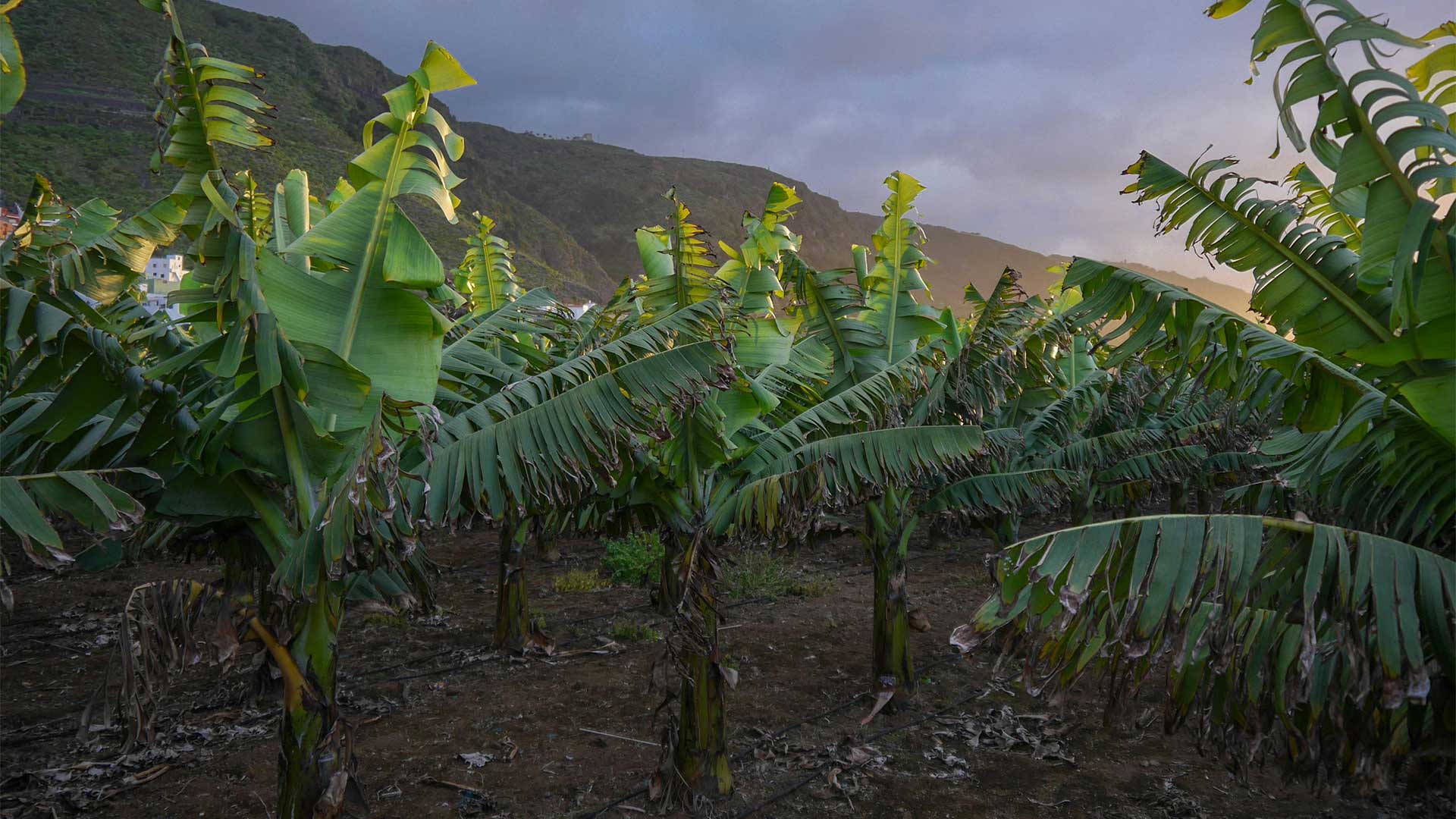
After nearly three years of collaboration, the project has assessed the potential of combining recycled plastics and banana plant waste to develop more sustainable materials, incorporating environmental and social criteria through life cycle assessment.
From April 21 to 23, Sandra Ceballos Santos, researcher at the UNESCO Chair in Life Cycle and Climate Change at ESCI-UPF, participated in the 1st Iberian Congress on Small-Scale Fisheries (Congreso Ibérico de Pesquerías Artesanales – CIPA 2026), held at the Paraninfo of the Palacio de la Magdalena in Santander, Cantabria.
ESCI-UPF and Politecnico di Milano publish a joint research paper to help organisations and consumers, respectively, with policy and decision-making through the assessment of the social risks associated with different high-protein food alternatives.



Leave a message