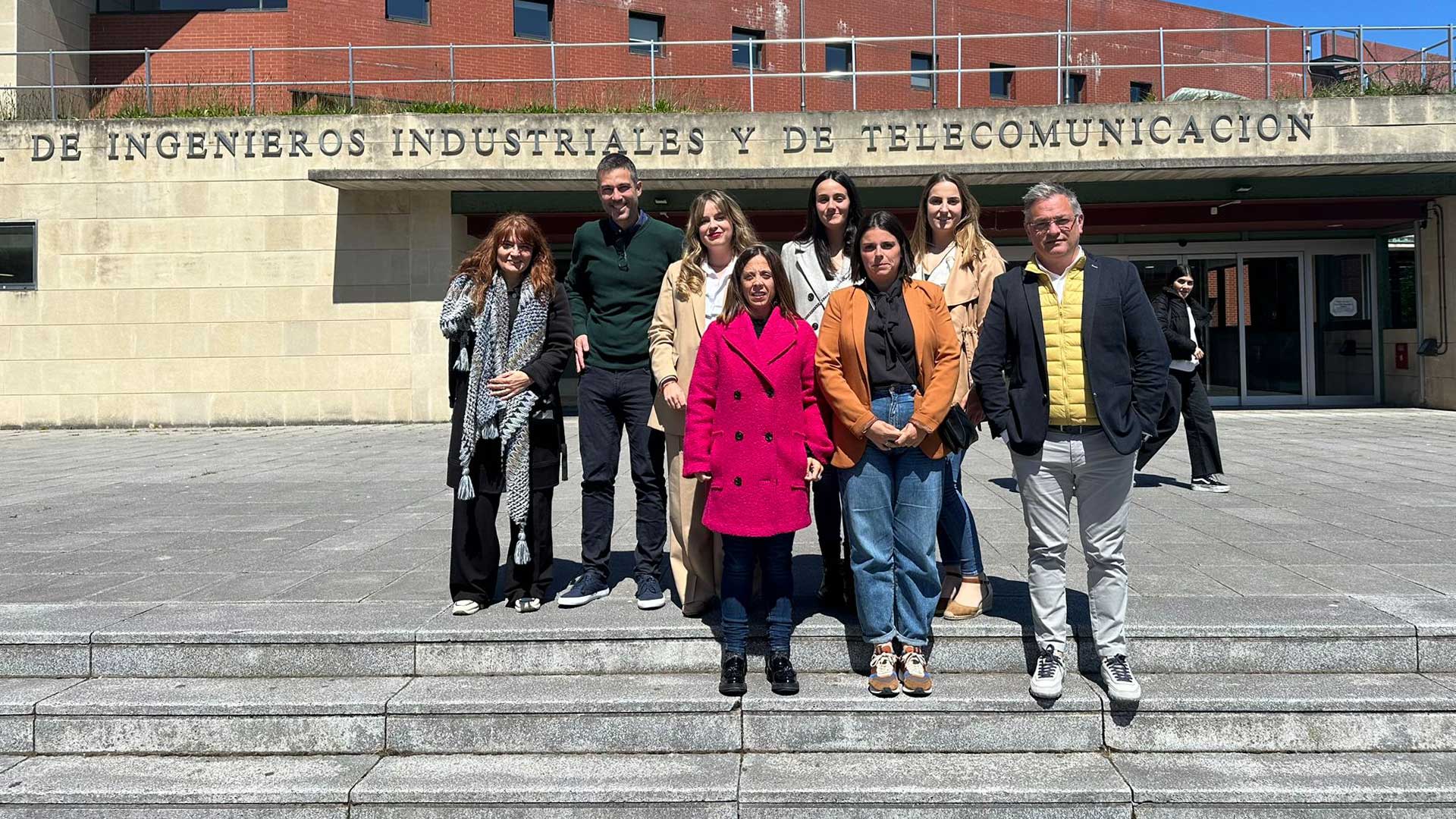
Photo of the researchers participating in the SMART-FOODPRINT kick-off meeting held at the University of Cantabria (Santander). / Photo: SMART-FOODPRINT
The UNESCO Chair of Life Cycle and Climate Change at ESCI-UPF participates in the SMART-FOODPRINT project, aimed to empower the Spanish food industry with innovative tools for traceability, authenticity, and sustainability.
In a significant stride towards sustainability, the SMART-FOODPRINT project embarked on its journey with a dynamic kick-off meeting at the Escuela Técnica Superior de Ingenieros Industriales y de Telecomunicaciones (ETSIIT) of the University of Cantabria in Santander. Under the theme «Towards More Resilient and Sustainable Food Supply Chains Through Ecolabelling Traceability,» stakeholders gathered to inaugurate this national initiative.
Funded by the Ministry of Science and Innovation of the Spanish Government and the State Research Office (PID2022-137023OB-C31), this three-year project is led by the University of Cantabria. Prof. Rubén Aldaco and Dr. María Margallo head the research team pertaining to the DePRO (Development of Chemical Processes and Pollutant Control) group of the Department of Chemical and Biomolecular Engineering, forming the consortium’s core. Collaborating partners include the UNESCO Chair of Life Cycle and Climate Change at ESCI-UPF, represented by Prof. Pere Fullana i Palmer, Dr Alba Bala Gala, and researcher Sandra Ceballos Santos. Adding expertise is David Alonso Baptista de Sousa from ANFACO-CECOPESCA (National Association of Canned Fish and Seafood Manufacturers, Vigo).
The SMART-FOODPRINT project’s mission is clear: to empower the Spanish food industry with innovative tools for traceability, authenticity, and sustainability. By addressing environmental concerns and enhancing consumer trust in sustainability-focused certification systems, this initiative aligns with Spain’s policy goals, including the Sustainable Development Goals.
The project tackles key priorities, including adapting food systems to climate change, promoting resource efficiency, and ensuring sustainable traceability mechanisms.
During the kick-off meeting, stakeholders explored project objectives and their implications for vital sectors like fishing and aquaculture. Detailed discussions also mapped out the project’s timeline, laying a solid foundation for its transformative impact on Spain’s food industry.
Stay tuned as SMART-FOODPRINT leads the charge towards a greener, more resilient food ecosystem in Spain and beyond!
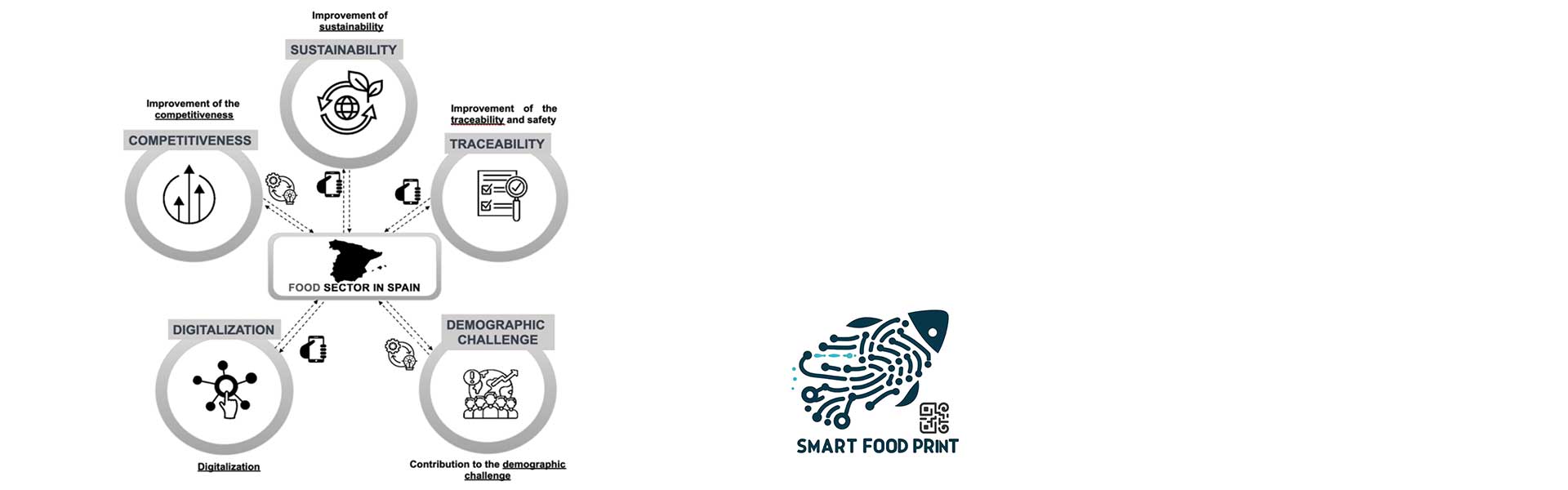
Contribution of the SMART-FOODPRINT project to solving specific problems of the Spanish food supply chain.
Un recent estudi revela que distribuir la medicació ambulatòria de dispensació hospitalària a través de les farmàcies comunitàries redueix gairebé el 50% en les emissions de CO₂, un dels principals gasos d’efecte d’hivernacle, que produeixen els pacients en els seus desplaçaments per recollir-la.
Over two consecutive weeks, the UNESCO Chair in Life Cycle and Climate Change at ESCI-UPF contributed to the 3rd edition of the ESCI-UPF Summer School, delivering 45 hours of sustainability-focused education to nearly 200 international students from universities around the world.
Maria Iordanoglou, from the UNESCO Chair in Life Cycle and Climate Change at ESCI-UPF, attended the 5th Life Cycle Innovation Conference (LCIC) 2026, held in Berlin from July 1st to 3rd and organised by the Forum for Sustainability through Life Cycle Innovation (FSLCI).



Leave a message