Review progress achieved in implementing the 2030 Agenda
09/07/2019
1 min reading time
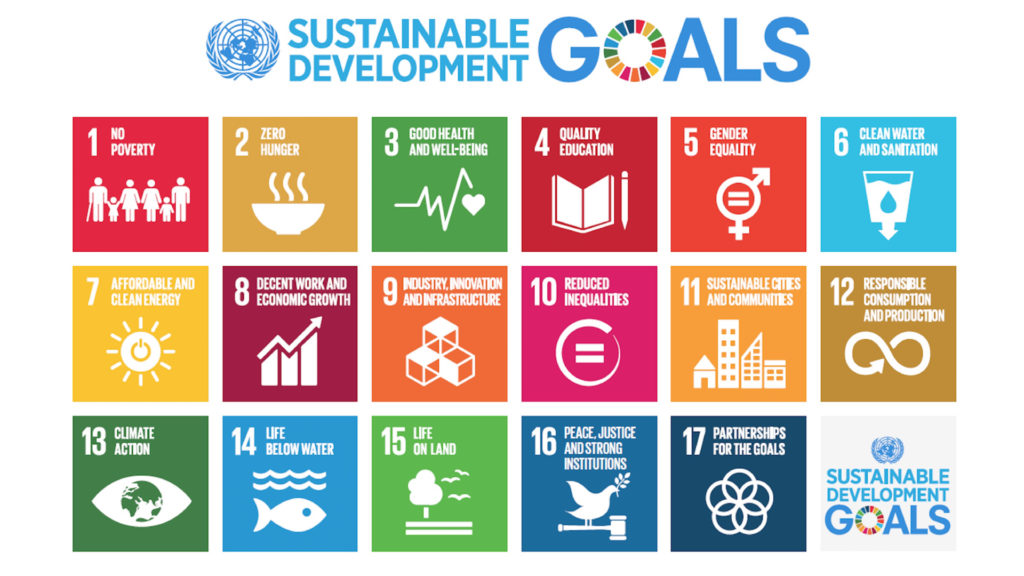
Photo: Sustainable Development Goals, UN
This year’s High-level Political Forum (HLPF), the largest annual gathering to evaluate global efforts to achieve the 2030 Agenda, will bring together more than a thousand participants from around the globe at United Nations (UN) Headquarters in New York on 9-18 July 2019. Convened under the auspices of the Economic and Social Council, the HLPF is the UN central platform for follow-up and review of the 2030 Agenda for Sustainable Development and the 17 Sustainable Development Goals (SDGs).
Each year, the HLPF focuses on different goals. Under the theme “Empowering people and ensuring inclusiveness and equality,” the 2019 HLPF will review SDG 4 to ensure inclusive and equitable quality education and promote lifelong learning opportunities for all; SDG 8 to promote sustained, inclusive and sustainable economic growth, full and productive employment and decent work for all; SDG 10, to reduce inequality within and among countries; SDG 13, to take urgent action to combat climate change and its impacts; SDG 16 to promote peaceful and inclusive societies for sustainable development, provide access to justice for all and build effective, accountable and inclusive institutions at all levels; and SDG 17 to strengthen the means of implementation and revitalize the global partnership for sustainable development.
The HLPF will also consider 47 voluntary national reviews (VNRs), a mechanism designed to assess the progress of each UN Member State in achieving the SDGs. This brings to a total of over 140 nations that have presented at the HLPF since the 2030 Agenda for Sustainable Development was adopted in 2015.
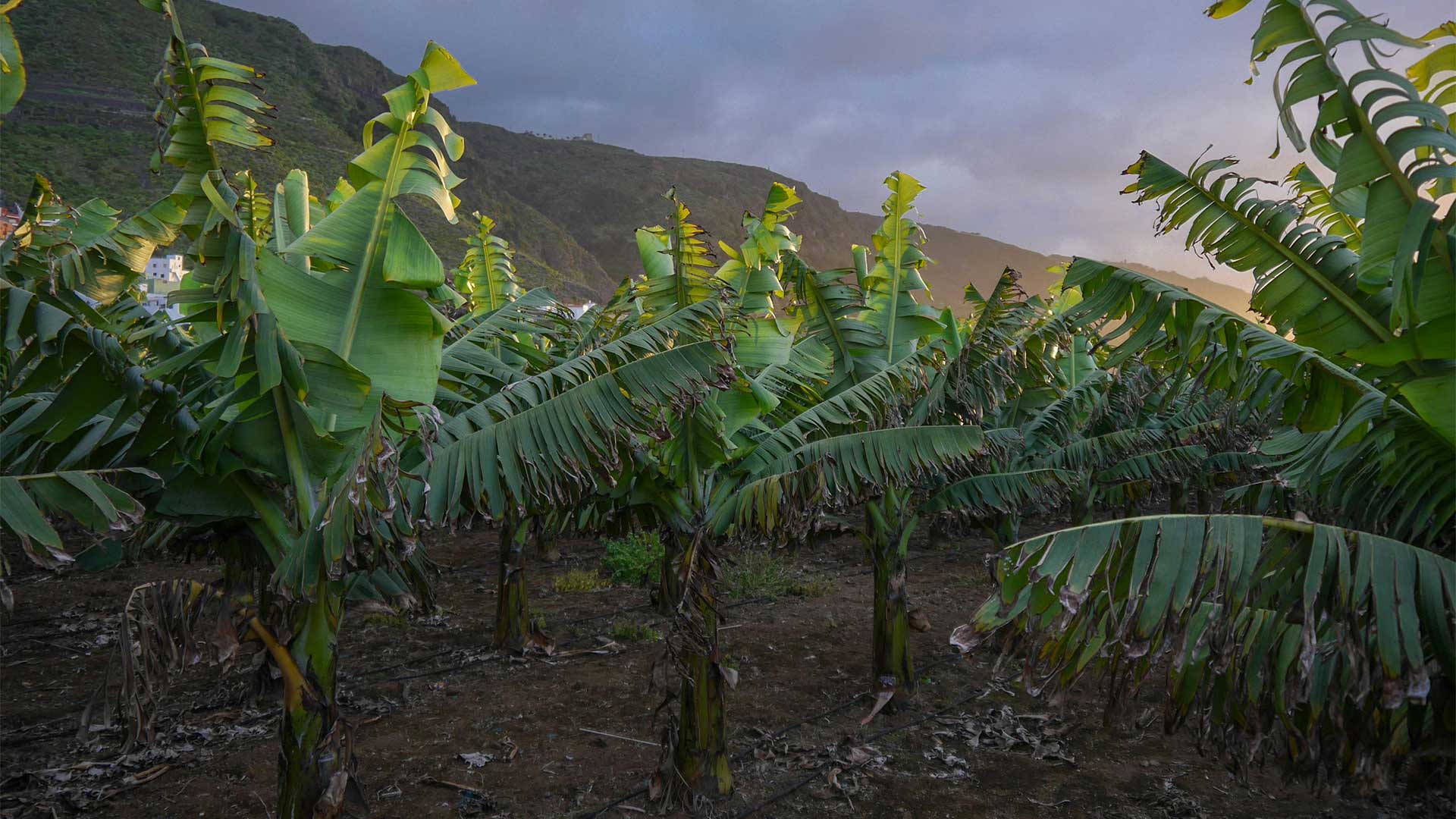
After nearly three years of collaboration, the project has assessed the potential of combining recycled plastics and banana plant waste to develop more sustainable materials, incorporating environmental and social criteria through life cycle assessment.
From April 21 to 23, Sandra Ceballos Santos, researcher at the UNESCO Chair in Life Cycle and Climate Change at ESCI-UPF, participated in the 1st Iberian Congress on Small-Scale Fisheries (Congreso Ibérico de Pesquerías Artesanales – CIPA 2026), held at the Paraninfo of the Palacio de la Magdalena in Santander, Cantabria.
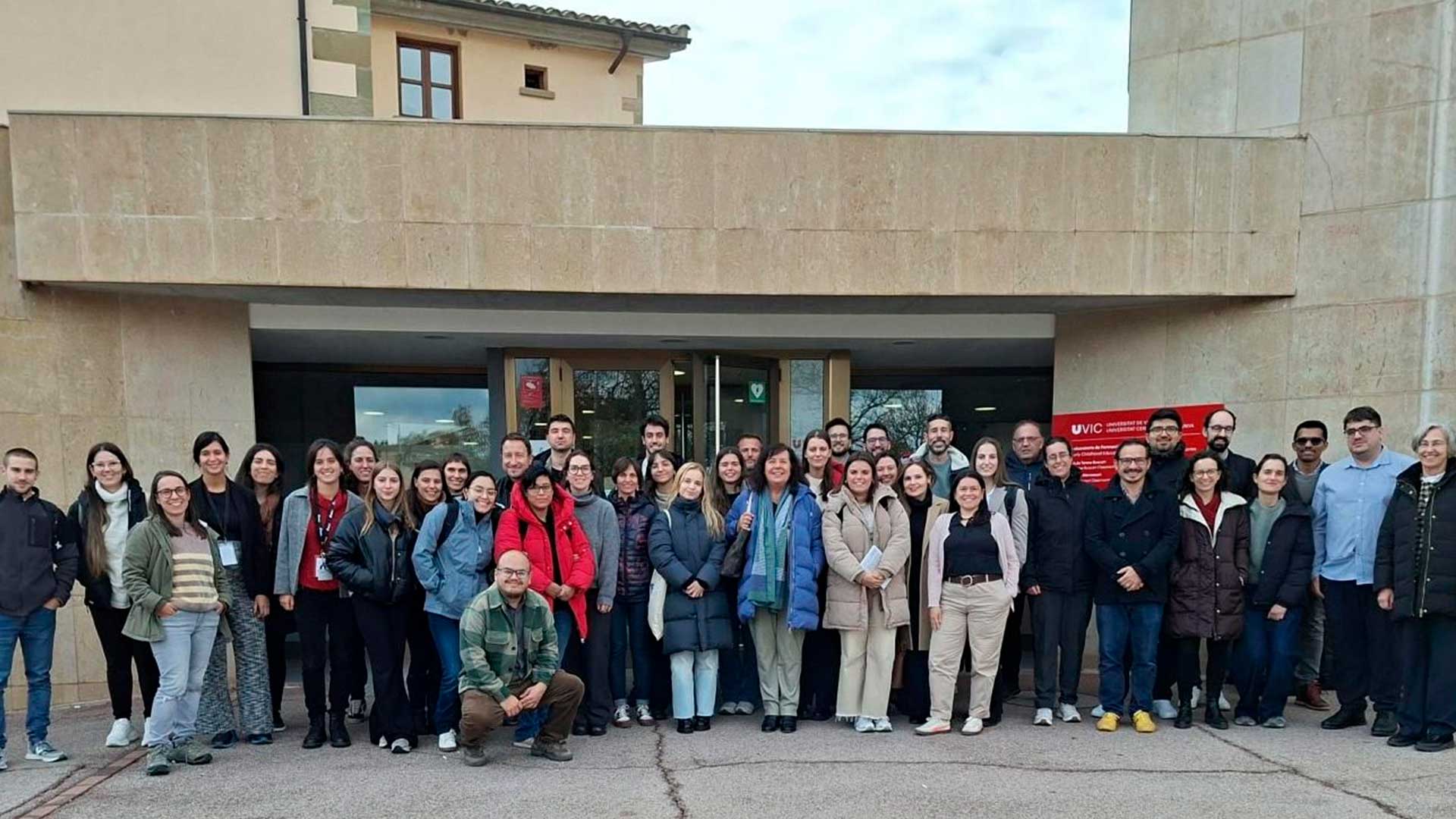
The UNESCO Chair in Life Cycle and Climate Change at ESCI-UPF participated in the event “Life Cycle Management in the Transition Toward a Sustainable Agri-Food Sector”, promoted by the Red Española de ACV was held in Vic (Barcelona) on 19 and 20 November 2025.


Leave a message