KijaniBox Project: A Bold Step Towards Africa’s Green Transition
26/11/2024
1 min reading time
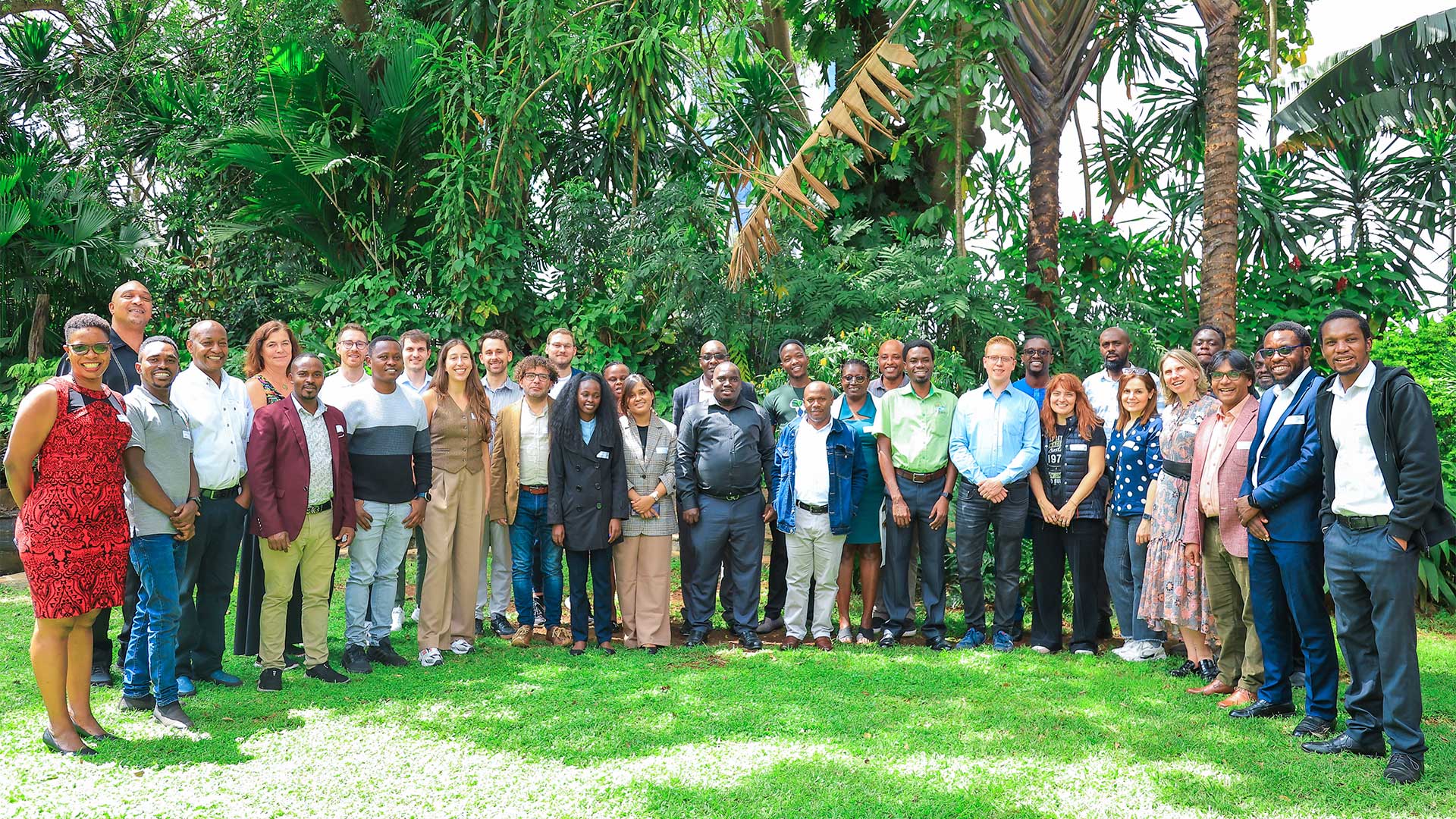
Photo of the KijaniBox partners during the kickoff meeting held in Nairobi. / Photo: KijaniBox
The UNESCO Chair in Life Cycle and Climate Change at ESCI-UPF participates in the KijaniBox project, officially launched last month in Nairobi, Kenya, aimed at accelerating Africa’s green transition.
The kickoff meeting, held from October 22 to 24, brought together 14 partners, with seven institutions from African countries (Senegal, Uganda, and Kenya) and seven from European nations (Germany, Spain, and Italy). Dr Alba Bala and Dr Sahar Azarkamand, Executive Director and Postdoctoral Researcher at the UNESCO Chair in Life Cycle and Climate Change at ESCI-UPF, participated in this meeting.
KijaniBox is an innovative project co-funded by the European Union under Horizon Europe research and innovation programme to leverage organic waste for green energy production, focusing on cooling and refrigeration solutions along the food supply chain.
The primary objective of the project is to minimize food losses, mitigate sanitary risks, and promote energy access for small businesses. The project will demonstrate its concept across three physical sites in East Africa and six virtual locations, spanning both East and West Africa. Collaboration with local waste management companies, food value chain stakeholders, and cold supply chain operators will be instrumental in these efforts.
During the kickoff meeting, each partner team introduced their objectives, and work package leaders detailed the activities planned under their respective workstreams. The event also included site visits to key facilities, such as a tropical fruit processing factory, which will provide organic waste for pilot tests, and a food market in Machakos.
The project will run for four years, with the ESCI-UPF team leading critical tasks related to Life Cycle Assessment (LCA), Circularity Assessment, Life Cycle Costing, and Socioeconomic Assessment. Through these evaluations, the project aims to deliver scalable, sustainable solutions that contribute to Africa’s environmental and economic development.
The KijaniBox project sets the stage for transformative change, harnessing innovation to address pressing challenges in food security, waste management, and energy access across the African continent.
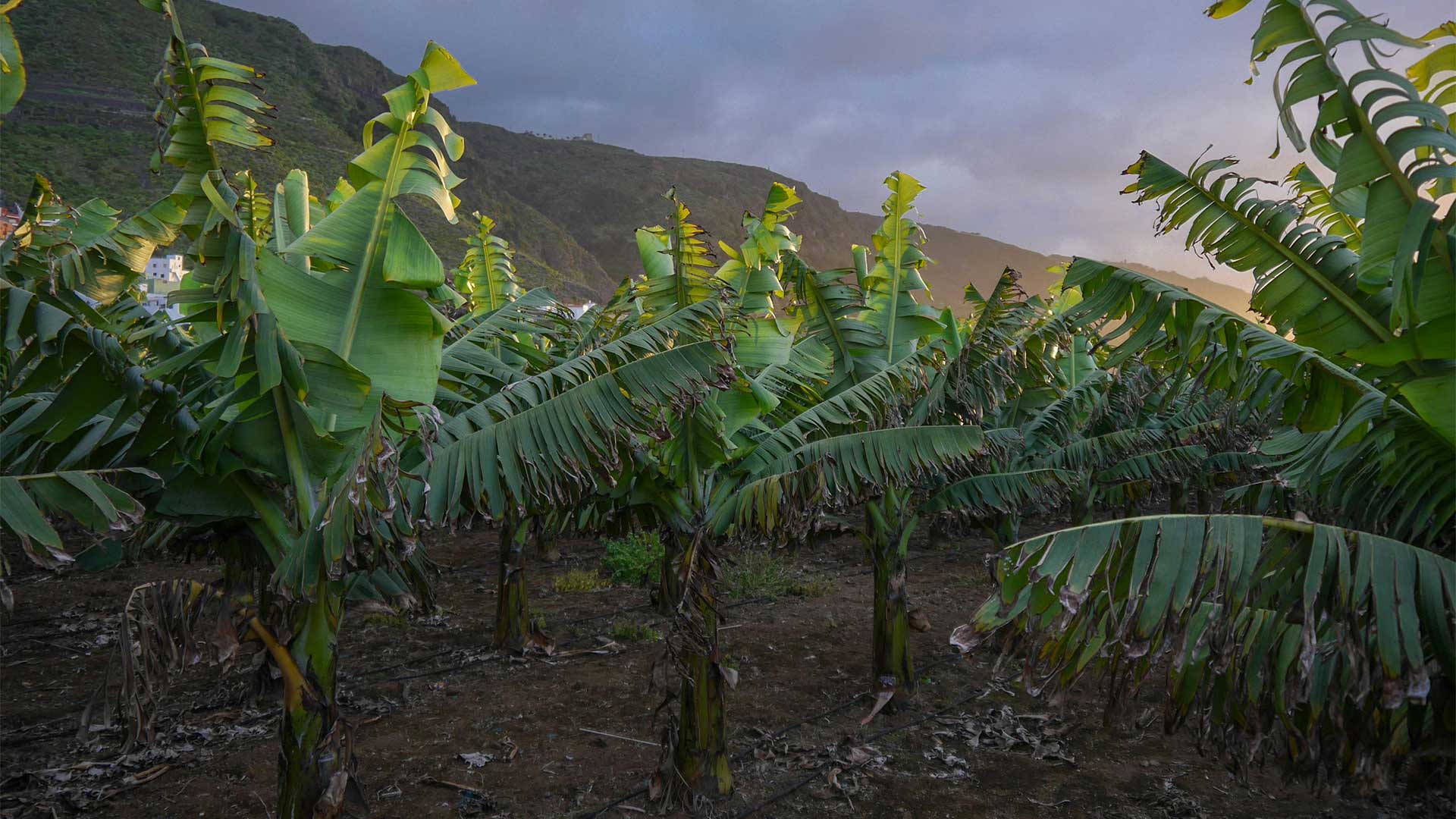
After nearly three years of collaboration, the project has assessed the potential of combining recycled plastics and banana plant waste to develop more sustainable materials, incorporating environmental and social criteria through life cycle assessment.
From April 21 to 23, Sandra Ceballos Santos, researcher at the UNESCO Chair in Life Cycle and Climate Change at ESCI-UPF, participated in the 1st Iberian Congress on Small-Scale Fisheries (Congreso Ibérico de Pesquerías Artesanales – CIPA 2026), held at the Paraninfo of the Palacio de la Magdalena in Santander, Cantabria.
ESCI-UPF and Politecnico di Milano publish a joint research paper to help organisations and consumers, respectively, with policy and decision-making through the assessment of the social risks associated with different high-protein food alternatives.



Leave a message