Arranca el proyecto REBOCOLLECT
08/07/2026
La iniciativa de REBOCOLLECT da continuidad a REBO2VINO, diseñando y optimizando un posible modelo colectivo de reutilización de botellas, y su relación e impacto sobre el sistema actual de reciclado.

Nanorobots are leading new advances in innovation, with the potential to transform fields ranging from targeted medicine to environmental remediation. Yet, their development also raises urgent questions of sustainability and ethics.
How can we ensure that these powerful technologies minimize their environmental footprint while serving society responsibly?
This is the challenge addressed by GREENS, a Marie Skłodowska-Curie Doctoral Network that brings together 15 doctoral candidates across 9 countries and 14 partner institutions. The project seeks to embed the principles of the circular economy, reduce, reuse, recycle, rot, and refuse, into the entire lifecycle of micro- and nanorobots.
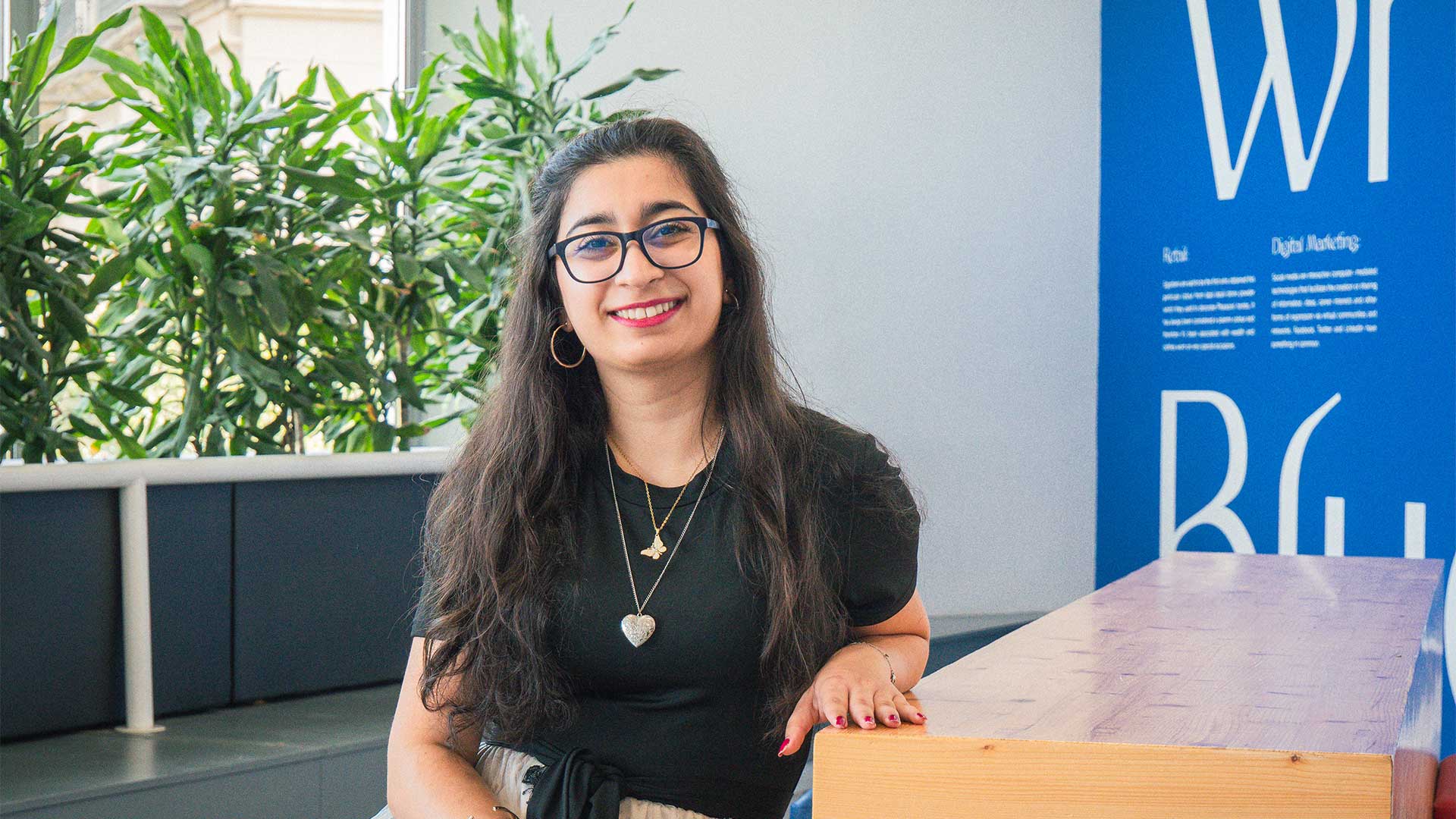
Within this framework, Mehrafarin Hossein Panah joined the UNESCO Chair in Life Cycle and Climate Change at ESCI-UPF as a doctoral researcher on September 15th. This project is carried out as a collaboration among MOVIC, ESCI-UPF, the University of Barcelona, and other partners, which focuses on the following key areas:
Sustainable materials and packaging for nanorobots, designed to reduce waste and promote recyclability.
Lifecycle assessments (LCA) to evaluate environmental impacts in production, use, and disposal
Ethical frameworks for responsible nanorobotics, ensuring safe design, use, and disposal.
By combining sustainability science with ethical reflection, this project ensures that nanorobotics advances are aligned with environmental responsibility and social trust.

08/07/2026
La iniciativa de REBOCOLLECT da continuidad a REBO2VINO, diseñando y optimizando un posible modelo colectivo de reutilización de botellas, y su relación e impacto sobre el sistema actual de reciclado.

01/07/2026
From June 4 to 5, Sandra Ceballos-Santos, researcher at the UNESCO Chair in Life Cycle and Climate Change (ESCI-UPF), participated in the World Symposium on Sustainability Governance (WSSG), held at the University of Salamanca.

09/06/2026
From May 17 to 21, Sandra Ceballos-Santos, researcher at the UNESCO Chair in Life Cycle and Climate Change (ESCI-UPF), participated in the SETAC Europe 36th Annual Meeting held in Maastricht, The Netherlands.
Leave a message