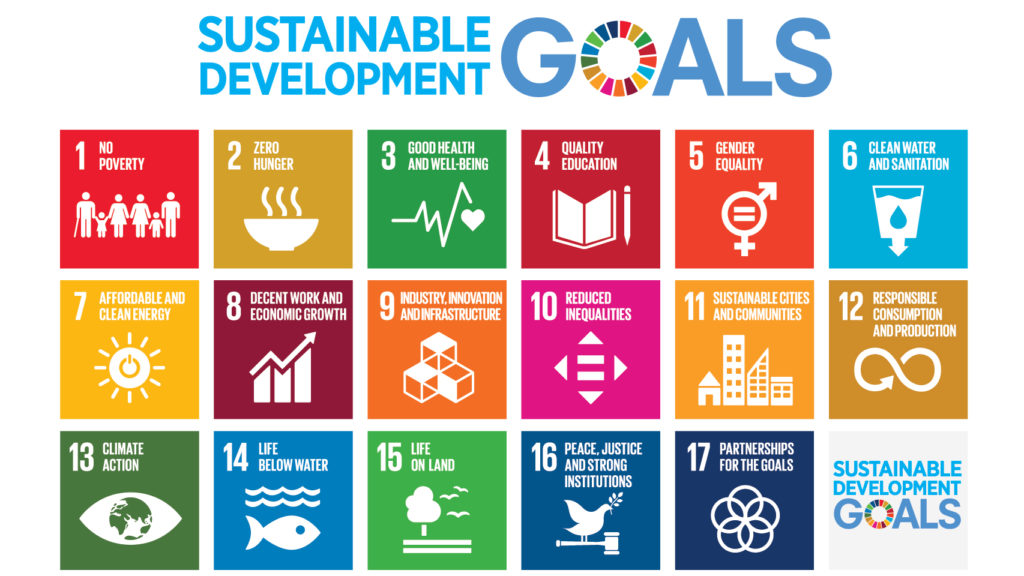
La Cátedra UNESCO de Ciclo de Vida y Cambio Climático ESCI-UPF participa en el informe sobre el progreso realizado en la implementación de la Nueva Agenda Urbana y la Agenda 2030 para el Desarrollo Sostenible publicado por UN-Habitat.
The report presents the work of UN-Habitat, the United Nations (UN) programme working towards a better urban future, as a focal point and custodian of the Sustainable Development Goal (SDG) 11: “Make cities and human settlements inclusive, safe, resilient and sustainable.” It also includes the efforts of the UN system, the international community, and the Member States in the implementation, follow up and review of the New Urban Agenda and the 2030 Agenda for Sustainable Development.
Through the UNI network, UN-Habitat’s main mechanism for partnerships with the global academia and researchers, 37 partner universities have shared their contributions to inform the report, including the Chair. In the framework of a shared vision for a better and more sustainable future, represented by the New Urban Agenda, the Chair has highlighted the need for working on an agreed method on how to measure cities’ environmental impacts.
“If well-planned and well-managed, urbanization can be a powerful tool for sustainable development for both developing and developed countries,” according to the New Urban Agenda. To that end, the Chair has identified the life cycle assessment as a good candidate for being adapted to cities to assess their contributions to sustainable development.
UNI partners for cooperation
The UNESCO Chair in Life Cycle and Climate Change ESCI-UPF is an institutional partner of UNI, the partnership between UN-Habitat and universities worldwide. Introduced as a means of promoting cooperation with institutions of higher education and facilitating exchange and cooperation among universities globally, UNI promotes universities becoming closer partners of cities. It is also actively engaged in problem-solving, thus closing the gap between academia and practice and encouraging collaborative learning, and also promotes and facilitates the dissemination of educational and research products of its members.
UNI also involves scholars, researchers, and students in many different activities, within a collaborative framework that aspires to create the next generation of urban leaders, managers, researchers, and practitioners.
From April 21 to 23, Sandra Ceballos Santos, researcher at the UNESCO Chair in Life Cycle and Climate Change at ESCI-UPF, participated in the 1st Iberian Congress on Small-Scale Fisheries (Congreso Ibérico de Pesquerías Artesanales – CIPA 2026), held at the Paraninfo of the Palacio de la Magdalena in Santander, Cantabria.
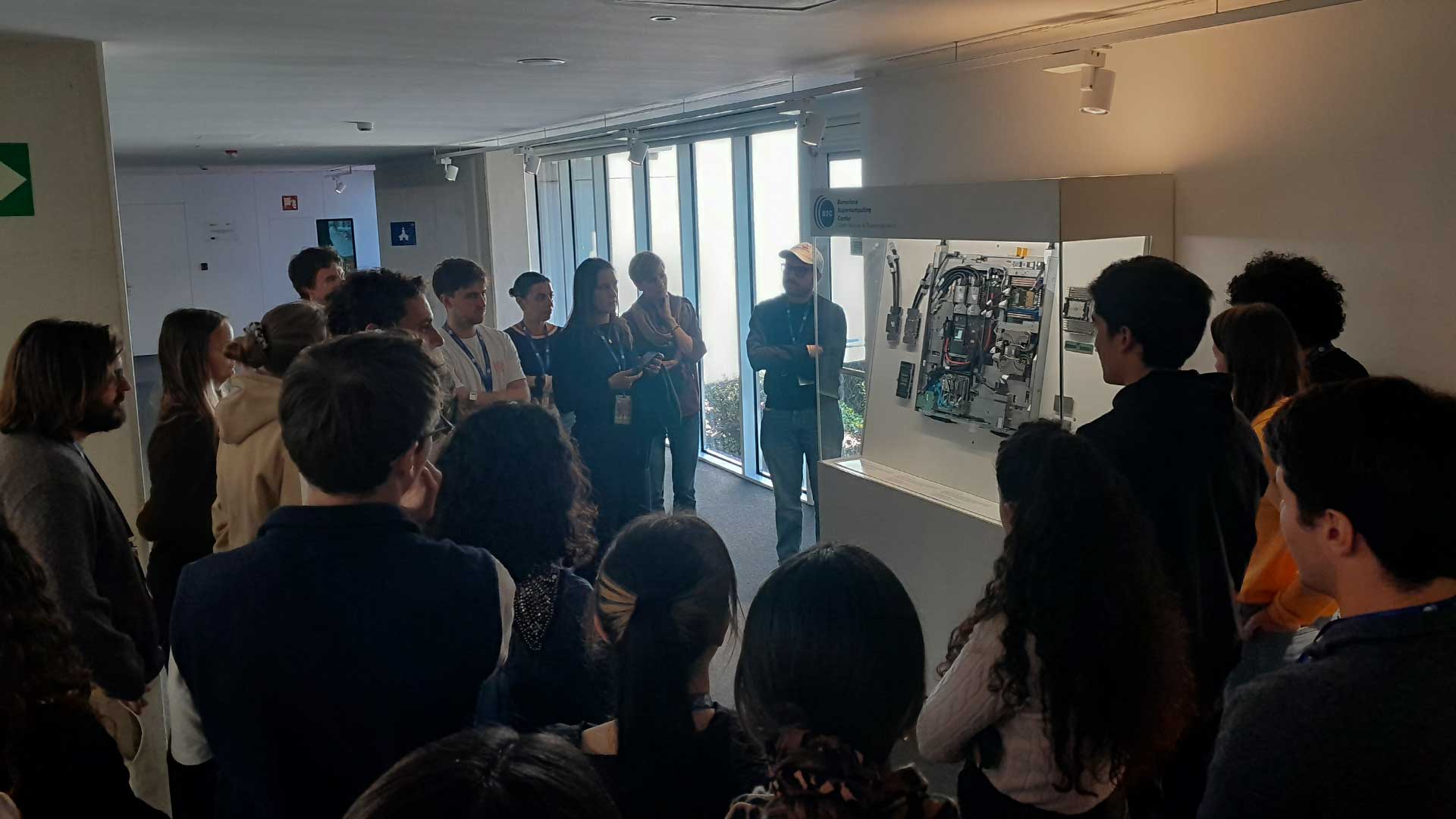
The researcher at the ESCI-UPF’s UNESCO Chair and professor Dr Ilija Sazdovski summarises the visit to the Barcelona Supercomputing Center with the students of the MScSUS.
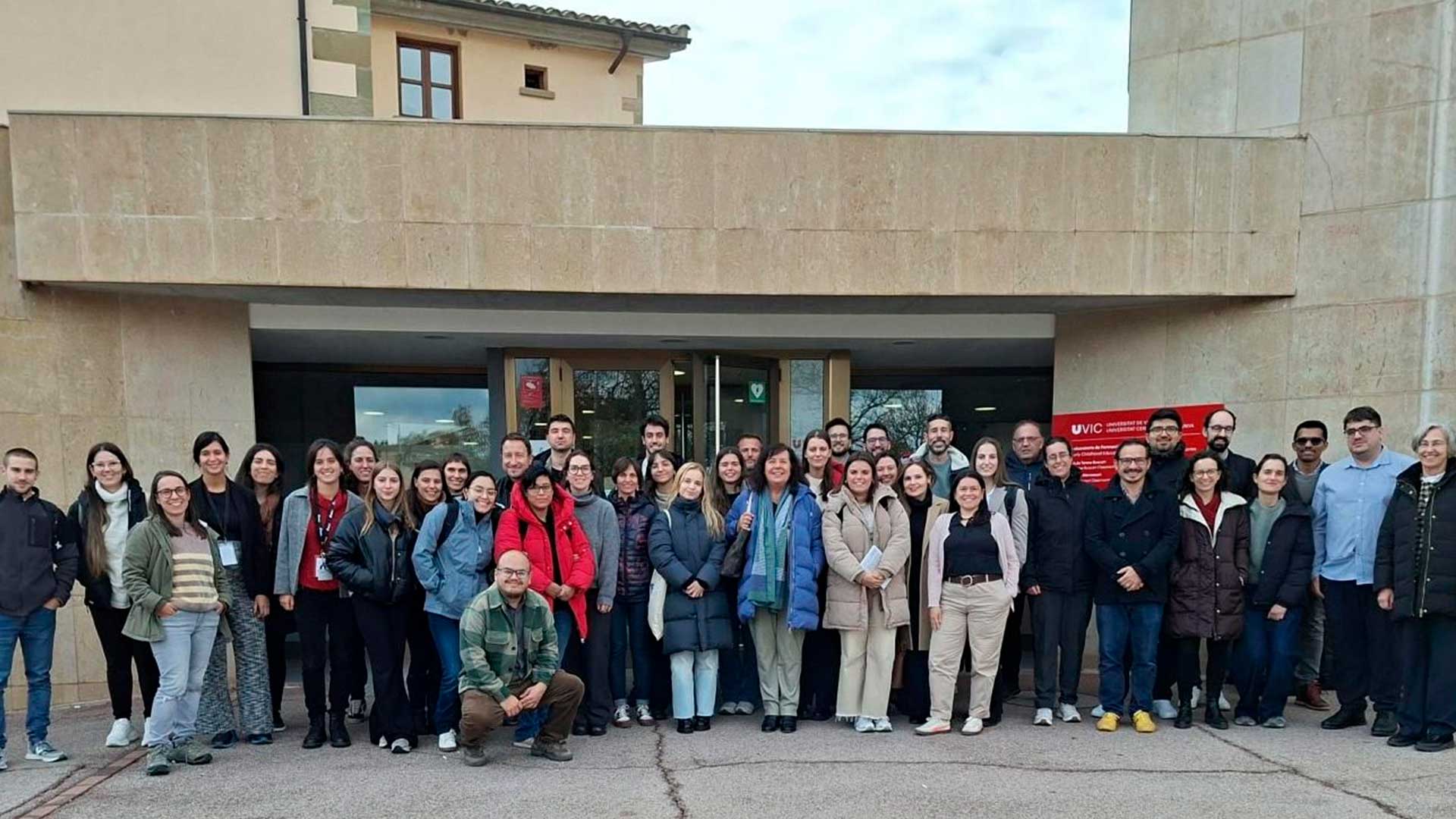
The UNESCO Chair in Life Cycle and Climate Change at ESCI-UPF participated in the event “Life Cycle Management in the Transition Toward a Sustainable Agri-Food Sector”, promoted by the Red Española de ACV was held in Vic (Barcelona) on 19 and 20 November 2025.


Leave a message