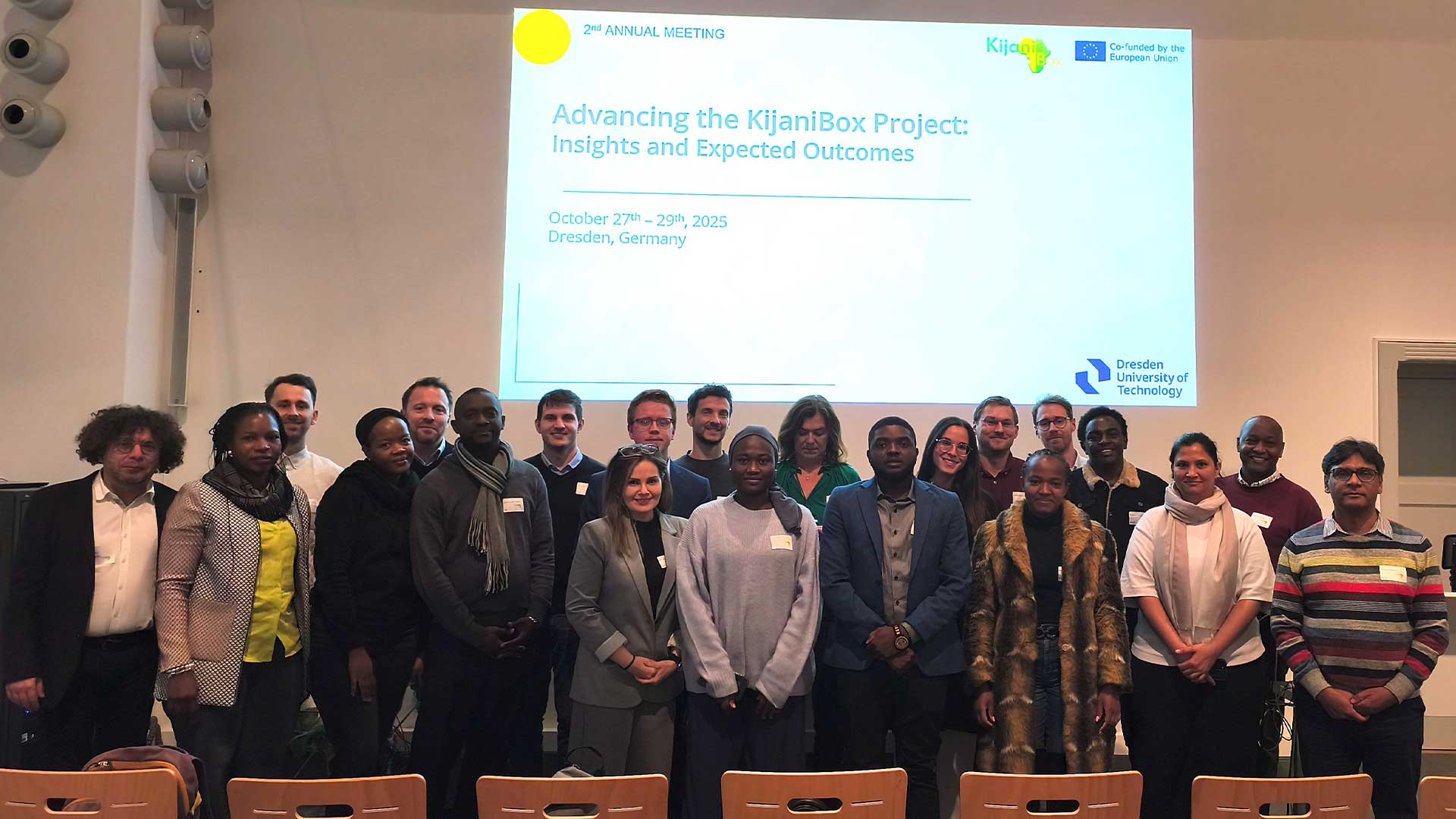
Photo of the KijaniBox partners during the Second Annual Meeting held in Dresden. / Photo: KijaniBox
Dr Sahar Azarkamand and Dr Ilija Sazdovski, researchers at the UNESCO Chair in Life Cycle and Climate Change at ESCI-UPF, participated in the Second Annual Meeting of the KijaniBox Project, held at Technische Universität Dresden from October 27 to 30, 2025.
Running over a four-year period, the KijaniBox project focuses on utilising organic waste for biogas production, with special emphasis on cooling and refrigeration solutions along the food supply chain. The project aims to convert organic waste into bioenergy, thereby minimising waste, mitigating sanitary risks and climate change, and promoting renewable energy access for small businesses.
The project involves 14 international partners from Europe (Germany, Italy, Spain) and Africa (Senegal, Kenya, and Uganda), with the UNESCO Chair in Life Cycle and Climate Change at ESCI-UPF, leading tasks related to Life Cycle Assessment (LCA), Circularity Assessment, Life Cycle Costing, and Socioeconomic Assessment.
Last month, in Germany, the partners celebrated the KijaniBox Second Annual Meeting at the Technische Universität Dresden.
During the first day of the meeting, project partners presented and discussed progress updates, identified potential risks, and outlined upcoming plans. Dr Sahar Azarkamand and Dr Ilija Sazdovski presented the methodological approaches and ongoing progress for conducting the project’s life cycle assessment, circularity analysis, and life cycle costing.
The second day featured a guided tour of an industrial biogas plant, where corn and manure are converted into biogas to enhance the supply of renewable energy.
On the final day, participants joined an excursion to the Institute of Waste Management and Circular Economy of TUD, organised by the Technische Universität Dresden team. The visit included tours of laboratories, waste separation facilities, and an incineration site, providing valuable insights into circular economy practices and waste-to-energy technologies.
KijaniBox is an innovative project funded by the European Union under the Horizon Europe Programme
(Grant Agreement No. 101147463)
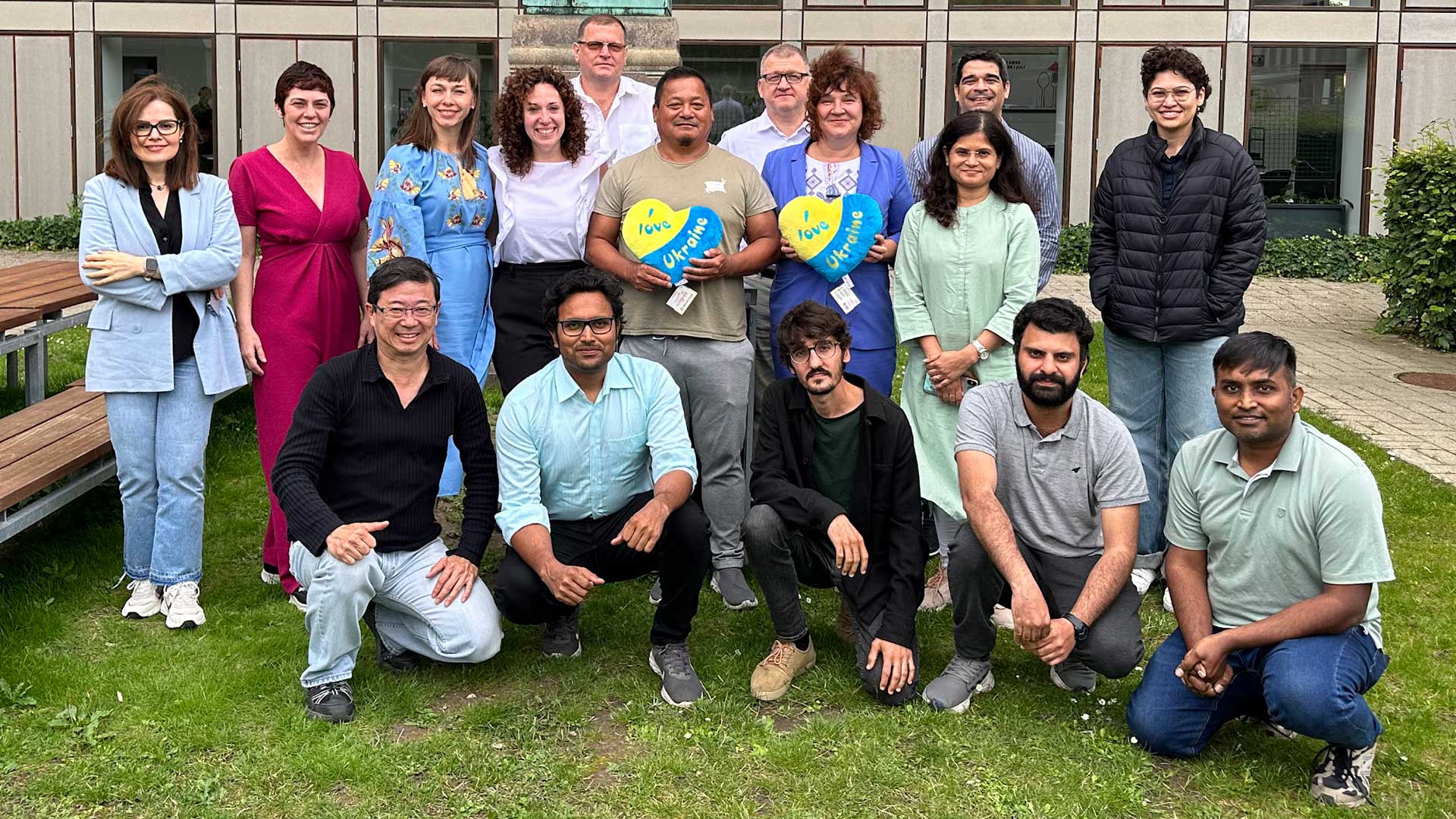
A new study led by the UNESCO Chair in Life Cycle and Climate Change at ESCI-UPF analyses how biofertilizers, biostimulants, organic amendments, and intercropping systems can reduce the environmental impact of agriculture while maintaining crop productivity in Denmark and Ukraine.
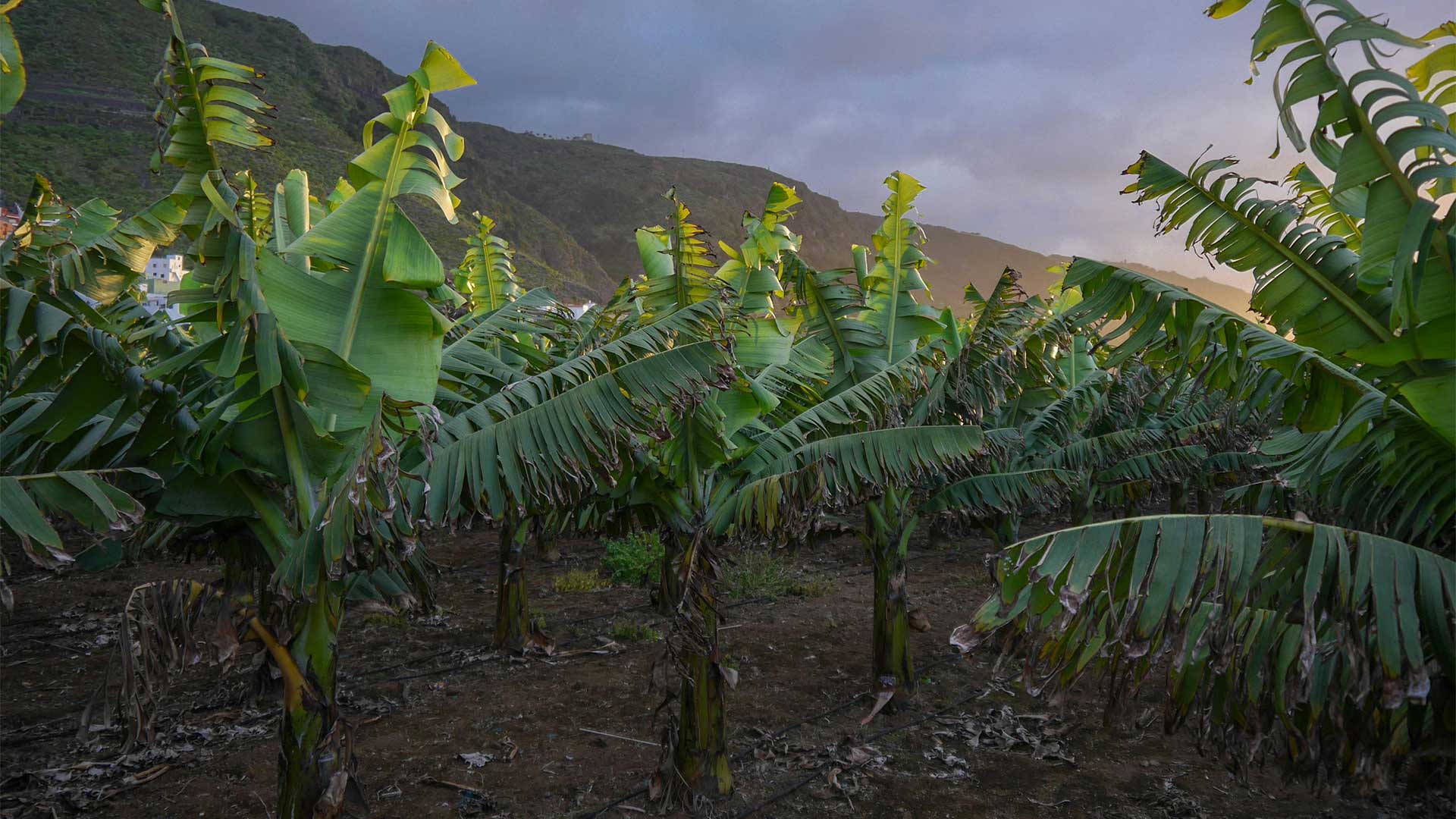
After nearly three years of collaboration, the project has assessed the potential of combining recycled plastics and banana plant waste to develop more sustainable materials, incorporating environmental and social criteria through life cycle assessment.
From April 21 to 23, Sandra Ceballos Santos, researcher at the UNESCO Chair in Life Cycle and Climate Change at ESCI-UPF, participated in the 1st Iberian Congress on Small-Scale Fisheries (Congreso Ibérico de Pesquerías Artesanales – CIPA 2026), held at the Paraninfo of the Palacio de la Magdalena in Santander, Cantabria.



Leave a message